
Investing in the Future of Public Health: Meet PHC’s Summer Interns

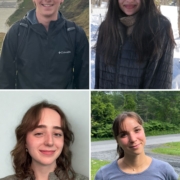
Pictured above (clockwise from top left): Thomas, Vismaya, Eva and Rebecca — this summer’s interns, each bringing unique energy and perspectives to PHC’s work.

How four students are making a difference – and how the Public Health Council is building capacity through workforce development

This summer, the Public Health Council of the Upper Valley welcomes four bright, mission-driven interns to its team. Each brings a unique perspective, a hunger to learn, and a passion for improving health equity. Their work spans topics from lead poisoning prevention to strategic planning and community engagement– and their contributions are not only meaningful to their own growth, but also vital to the Council’s capacity to move key initiatives forward.

At a time when rural public health systems face workforce shortages and increasing demand, internships like these offer a win-win: they help cultivate the next generation of public health professionals and enable PHC to advance priority projects that might otherwise remain on hold. Let’s meet this summer’s interns and explore the impact they’re already making.

Vismaya: Strengthening Grassroots Public Health

A chemistry and Hispanic studies double major at Dartmouth College and an ‘82 Fellow with the Dartmouth Center for Social Impact, Vismaya has been working with the PHC since the fall of 2024. This summer, her focus is municipal engagement– connecting with town health officers and local leaders to support the creation of PHC’s regional strategic plan. She’s also helping plan the upcoming bi-state legislative event and lends a hand in PHC’s communication efforts, including assisting with blog writing. For Vismaya, seeing how deeply interconnected and personal grassroots public health can be has been a revelation. 

“You realize just how many lives are touched by local public health systems – and how important coordination is to serve people well,” she says. “This work has shown me that meaningful change often starts on the ground, in conversations with neighbors and town leaders.”

Thomas: Laying the Groundwork for a Healthier Future

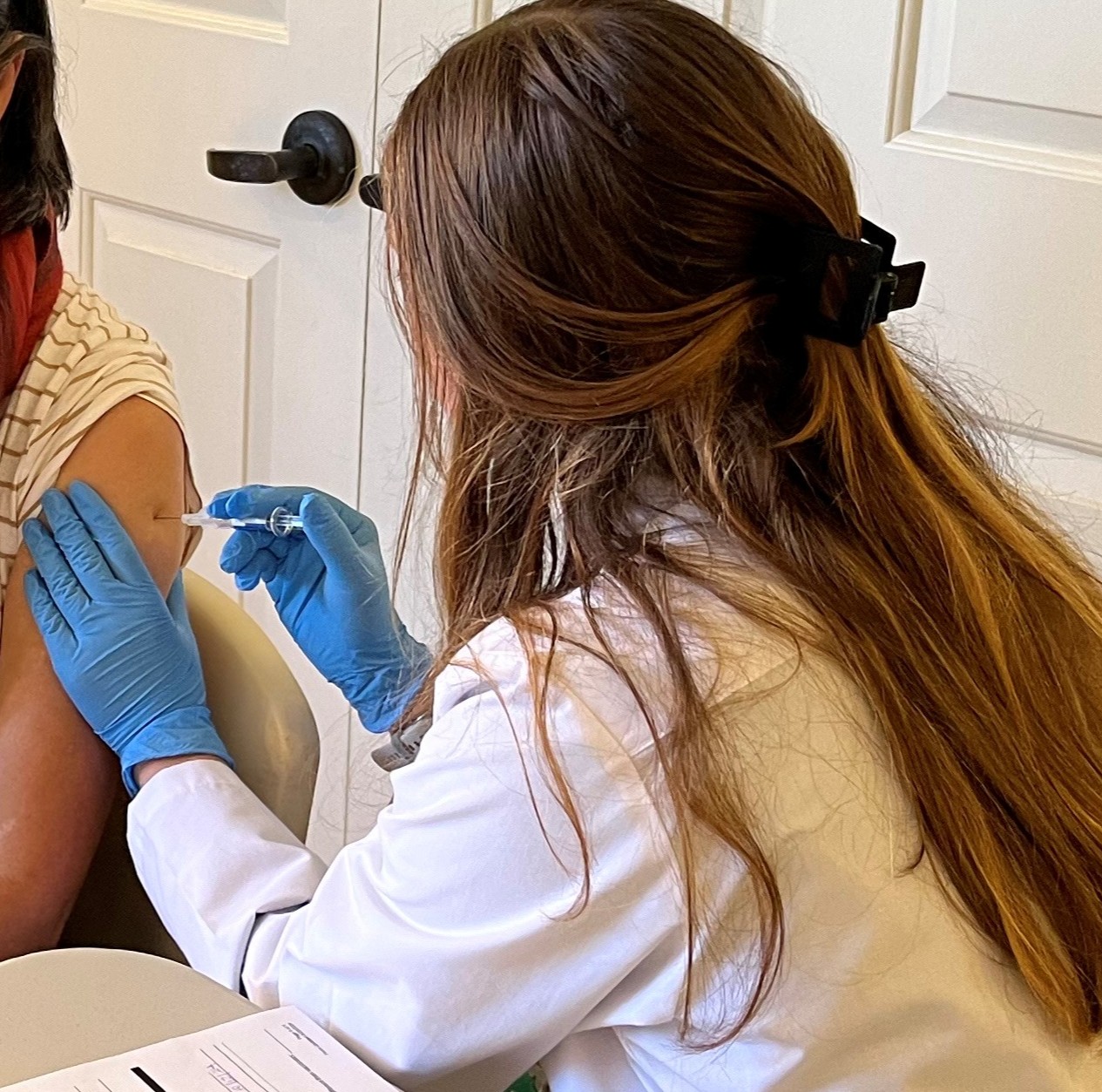
Thomas, a double major in biochemistry and Spanish at Dartmouth, brings leadership experience as Executive Director of Dartmouth EMS and a background in behavioral neuroscience research. His summer project centers on developing PHC’s next Community Health Improvement Plan (CHIP). By meeting with partners across sectors– ranging from primary care providers to housing advocates– Thomas is gaining a holistic view of the socioeconomic and systemic factors that impact health in the Upper Valley. Whether speaking with clinicians at DHMC about substance use disorder or assisting a physician with a vaccine record correction initiative, Thomas has been struck by just how collaborative public health work truly is. One highlight? Tabling at a Hartford Community Coalition Block Party to educate community members about heat safety and sun protection.

“It’s been incredibly rewarding to meet people for whom this work is a full-time commitment,” he says. “To hear their ‘why’ reminds me how deeply meaningful public health can be.” 

Rebecca: Making Lead Awareness More Accessible

Rebecca, a rising senior at the University of Vermont majoring in Environmental Science with a Health and Society minor, is focusing her efforts on lead poisoning prevention. With family roots in both New York City and Norwich, Vermont, she brings a personal connection to the Upper Valley and a strong interest in the link between health and environment. This summer, Rebecca is working to develop more accessible and engaging educational materials for parents about the importance of lead testing in children. She’s collaborating with local organizations, including the Vermont Department of Health, WIC, and the Vermont Child Health Improvement Program, to design messaging that meets families where they are. “Connecting with parents and community members about their children’s health has been the most rewarding part,” she reflects. “This work has shown me how many people and programs work behind the scenes to keep our community healthy.”

Eva: Mapping Risk to Drive Change

Originally from Vermont and now studying Public Health at American University in Washington, D.C., Eva is passionate about the intersections between health, social justice, and equity. Her work this summer complements Rebecca’s, with a focus on researching risk factors for lead poisoning across Vermont and New Hampshire. By analyzing social and environmental data, Eva is helping identify which communities face the highest risks– and how public health efforts can better target those populations. Conversations with public health officials around the state have helped her see how rural disparities and lack of resources can pose serious barriers to health equity. “It’s been incredibly meaningful to work on an issue that directly affects the communities I grew up in,” Eva says. “This experience has given me a clear view of how I can apply what I’ve learned to create real impact.”

Workforce Development in Action

As PHC continues to address the complex health challenges facing our region– from environmental health hazards to gaps in care– building and sustaining a strong public health workforce is more important than ever. These internships are part of a broader commitment to workforce development, mentorship, and preparing future leaders to carry the torch.

At the same time, these interns are giving PHC the capacity to pursue ambitious, high-impact projects that benefit the Upper Valley. They are not only learning from the work– they are meaningfully shaping it.

— Written by Vismaya Gopalan, ’82 UVCI Fellow to the PHC, Dartmouth College

Lebanon’s New Public Health Roadmap: A Regional Model for Collaborative Action

Photo Credit Andres Casado

The City of Lebanon and the Public Health Council of the Upper Valley have joined forces to develop a comprehensive Public Health Needs Assessment (PHNA). The report outlines both urgent needs and long-term opportunities to strengthen public health systems– not just for Lebanon, but for communities across the Upper Valley. 

Grounded in Community, Designed for Action

Launched in 2024, the Lebanon Public Health Needs Assessment is one of the first of its kind in New Hampshire to integrate local, regional, and state perspectives across eleven key public health functions. From mental health services to emergency preparedness, housing conditions to water quality, the assessment weaves together stakeholder interviews, local data, and policy reviews into a clear call to action.

The assessment had three primary goals:

  1. Identify gaps and strengths in Lebanon’s public health infrastructure.
  2. Inform Lebanon’s upcoming Strategic Plan, including a new Health Chapter.
  3. Provide a template for other municipalities seeking to build or boost their public health functions.

The Takeaways: Mental Health, Infrastructure, and Regional Solutions Top the List

Among the most pressing concerns highlighted in the report:

  • Mental health system gaps are straining first responders and emergency departments. The report calls for new investments in crisis response, including adding a Police Social Worker, strengthening community mental health services, and expanding substance misuse supports.
  • Aging infrastructure needs attention. Lead pipe removal, stormwater upgrades, and better oversight of private wells and septic systems are listed as priorities, alongside expanding Lebanon’s drinking water sources beyond Mascoma Lake. 
  • Data and coordination emerged as key themes. The report urges the creation of a staffed interdepartmental team and a regional data-sharing system to track trends, inform strategy, and identify pockets of need– especially among vulnerable populations such as older adults and those without access to transportation.

Collaborative Models Take Center Stage

A major innovation in the PHNA is its strong emphasis on regional partnerships. One proposal suggests piloting a shared Regional Town Health Officer (THO) model to better coordinate inspection and enforcement functions, reduce training gaps, and build long-term resilience. 

The PHNA also recommends a Community Emergency Response Team (CERT) for Lebanon, increased regional coordination on vaccine distribution and emergency sheltering, and stronger legislative advocacy for mental health and housing resources. 

What’s Next?

Photo Credit Stephanie Stillson

The PHNA is not a static document. It includes a phased set of recommendations– some for immediate municipal implementation, others requiring advocacy at the state level or partnerships across towns and sectors. 

Alice Ely, Executive Director of the Public Health Council of the Upper Valley, notes: “Lebanon’s needs reflect those of many towns in the Upper Valley. This report gives us a practical and flexible roadmap we can all use, whether we’re looking at mental health, environmental health, or how to prepare for the next public health emergency.” 

The full Lebanon Region Public Health Needs Assessment is available here and on the City of Lebanon’s website.

— Written by Vismaya Gopalan, ’82 UVCI Fellow to the PHC, Dartmouth College

Building on Momentum: How PHC’s Legislative Event Led to Policy Briefs

Following PHC’s legislative event, our team took the conversations and concerns raised by policymakers and went deeper. Through additional research and analysis, we developed a series of policy briefs to provide legislators with actionable insights on key public health challenges. These briefs offer evidence-based recommendations to inform decision-making and drive meaningful change. 

Below are summaries of each brief, with links to the full documents for further reading.

Enhancing Substance Misuse Treatment and Recovery Systems in New Hampshire and Vermont

Substance misuse continues to be a major public health concern in both states, with prevalence rates exceeding national averages. This policy brief outlines legislative efforts in New Hampshire and Vermont aimed at improving access to treatment, strengthening recovery housing, and implementing harm reduction strategies. Key policy actions include:

  • Expanding harm reduction programs and legalizing drug-checking equipment in New Hampshire 
  • Enhancing Medicaid coverage for treatment and supporting overdose prevention centers in Vermont
  • Protecting funding for treatment and prevention programs, such as New Hampshire’s Alcohol Fund

Read the full policy brief here. (LINK)

Addressing the Criminalization of Homelessness Through Policy Reform

The increasing use of punitive measures against individuals experiencing homelessness has exacerbated public health and safety concerns. This policy brief highlights the urgent need for legislative action to shift from criminalization to supportive housing and services. Key recommendations include:

  • Implementing right to shelter policies to ensure emergency housing for vulnerable populations
  • Expanding funding for permanent supportive housing and rental assistance programs
  • Reducing reliance on law enforcement for homelessness-related issues and increasing investments in social services and outreach programs

Read the full policy brief here. (LINK)

Enhancing Children’s Behavioral Health Through Funding and Workforce Initiatives

Children’s behavioral health services are facing a workforce crisis, with shortages of mental health professionals and inadequate funding creating barriers to care. This policy brief examines legislative solutions to strengthen the system and improve access to services. Key policy actions include:

  • Expanding loan forgiveness programs and scholarship initiatives to increase the workforce of child behavioral health specialists
  • Increasing Medicaid reimbursement rates to sustain provider participation and enhance service availability 
  • Supporting school-based mental health programs to integrate behavioral health services directly into educational settings

Read the full policy brief here. (LINK)

Expanding Access to Dental Care for Medicaid Patients in the Upper Valley

Access to dental care for Medicaid patients in New Hampshire and Vermont remains a significant challenge, with low provider participation and coverage limitations restricting access. This policy brief explores legislative solutions to expand dental care access and improve oral health outcomes. Key policy actions include:

  • Increasing Medicaid reimbursement rates to incentivize more dentists to accept Medicaid patients, as seen in Vermont’s recent rate adjustment to 75% of commercial rates
  • Expanding comprehensive adult dental benefits to ensure coverage meets the needs of Medicaid recipients, addressing gaps in preventative care and restorative care
  • Enhancing provider participation efforts by reducing administrative burdens and increasing recruitment incentives for dental professionals.

Read the full policy brief here. (LINK)

These policy briefs are designed to serve as tools for legislators, equipping them with the necessary data and context to make informed policy decisions. PHC remains committed to supporting evidence-driven solutions that address public health challenges in our communities. 

Stay connected with PHC for continued updates on our research and advocacy efforts. 

— Written by Vismaya Gopalan, ’82 UVCI Fellow to the PHC, Dartmouth College
Public Health Challenges in the Upper Valley: Insights and Policy Pathways

Working Together for a Healthier Community

The Public Health Council of the Upper Valley (PHC) recently brought together local policymakers, public health leaders, and community advocates for its annual legislative event. This gathering is all about finding solutions to some of our region’s most pressing health challenges—and sparking collaboration to create lasting change. By sharing real-life stories and practical recommendations, PHC empowers leaders to make informed choices that improve lives in the Upper Valley.

Advocacy that Educates and Inspires

At PHC, we see ourselves as a bridge between communities and policymakers. While we don’t engage in lobbying, we focus on raising awareness, sharing resources, and equipping our Partners to advocate effectively. By hosting events like these and providing advocacy training, we aim to inspire action and create a shared understanding of what’s needed to improve public health. 

Highlights from this year’s event:

Homelessness: Our Community-Wide Challenge 
  • What we can do:
    • Remove penalties for camping or sleeping in vehicles
    • Expand access to legal support, low-barrier shelter, and affordable housing
    • Encourage policies that support recovery housing
  • What we heard: Angela Zhang from LISTEN highlighted that the real key to homelessness is affordable housing. She shared that about one-third of unhoused people are employed, another third rely on disability or retirement income, and the rest have no income at all. Unfortunately, the shortage of legal aid attorneys makes it even harder to fight wrongful evictions.
  • Takeaways for Legislators: Leaders left the session with ideas for innovative solutions—like moving from short-term fixes to sustainable housing initiatives. 
Strengthening our Nursing Workforce
  • What we can do
    • Waive renewal fees for retired nurses who return to work part-time.
    • Promote easier licensing between New Hampshire and Vermont.
  • What we heard: With more older adults needing care at home, community nursing is critical. Many nurses filling these gaps are retired professionals who work part-time. But renewal fees can discourage them from returning. Alice Ely, PHC’s Executive Director, stressed how important it is to reduce these barriers to keep skilled nurses in the field.
  • Takeaways for Legislators: Policymakers were encouraged to explore policy changes that could make a big difference in strengthening our workforce and supporting vulnerable populations.
Hidden Risks of Vaping Devices
  • What we can do:
    • Develop statewide programs for safe disposal of vaping devices.
    • Expand hazardous waste policies to include these items.
    • Invest in education campaigns about vaping dangers.
  • What we heard: Andrea Smith from Dartmouth Hitchcock shed light on a growing problem: the chemicals and batteries in vaping devices pose health and environmental risks. Schools confiscate many devices but struggle with how to dispose of them safely. Vermont’s recent legislation requiring manufacturers to cover disposal costs offers a promising model.
  • Takeaways for Legislators: Policymakers were urged to take a closer look at disposal solutions and education efforts to tackle vaping’s hidden dangers.
Other Public Health Priorities
  • Expanding treatment and recovery options for substance misuse.
  • Improving dental care access for Medicaid patients.
  • Enhancing behavioral health services for children.
  • Supporting policies for universal school meals and more outdoor playtime.

The Power of Collaboration 

The feedback from this year’s event was overwhelmingly positive. Attendees appreciated the practical ideas, stories, and data shared. Looking ahead, PHC will continue to provide legislators with resources and policy briefs, ensuring they have the tools they need to create meaningful change. Together, we can tackle the challenges facing the Upper Valley and make it a healthier, more equitable place for everyone.

Let’s Keep the Momentum Going 

PHC’s annual legislative event is a reminder of what we can achieve when we come together. By focusing on solutions that work and sharing knowledge, we’re building a brighter future for our communities. To read the full report, you can find it at: PHC Bi-State Legislative Event Report Dec 2024.

— Written by Vismaya Gopalan, ’82 UVCI Fellow to the PHC, Dartmouth College

Awards and New Members at PHC Annual Meeting 2024

On November 15, 2024, the Public Health Council of the Upper Valley (PHC) Board of Directors held their annual meeting at Hypertherm with 54 community members and public health advocates in attendance.

During the business portion of the meeting, Bise Wood Saint Eugene, of Lebanon, was elected to serve a 3-year term on the Board. Suellen Griffin was elected to serve as Board Chair for 2025, taking the reins from W. Brett Mayfield, who steps aside after 2 years in the role.

2024 Public Health Hall of Fame Awards

Each year, the PHC Board of Directors also solicits nominations for our Public Health Hall of Fame Award. This year, we celebrated the noteworthy work of two Upper Valley institutions: Community Nurse Connections and the Upper Valley Medical Reserve Corp.

Board Chair Brett Mayfield presents Kristin Barnum with the award as CNC Board Members, Laurie Harding and Don Kollisch, look on.

Community Nurse Connections: Under the capable leadership of Kristin Barnum, CNC advocates for and supports a growing network of Community Nurses who care for people, especially older adults, who struggle to live on their own, and who are not accessing needed services. Kristin plays a critical role in guiding communities interested in Community Nursing and collaborating with health care organizations to help them understand the role of the nurse. CNC also helps sustain Community Nursing through a robust documentation system and structured mutual support for Community Nurses. CNC understands vulnerable people are falling through the cracks of our health care system and works tirelessly to fill the need.

Misha McNabb, MRC Unit Leader from the Vermont Department of Health — WRJ District, accepts the Public Health Hall of Fame Award from Brett Mayfield, PHC Board Chair and UVMRC Member.

Upper Valley Medical Reserve Corps: The award was given in recognition of our region’s MRC Unit 1776, formed in 2008, which includes more than 150 medical and non-medical volunteers. This rare bistate MRC Unit is led by coordinators from the Vermont Department of Health – Springfield, Vermont Department of Health – WRJ, and Dartmouth Hitchcock Medical Center Population Health. From Tropical Storm Irene to the COVID-19 pandemic to recent flooding events, the UV MRC has supported regional emergency response capacity. The unit also promotes community health through event support at vaccination clinics, road races, fairs, and training such as Stop the Bleed, Be Bright at Night, and Narcan administration education. In these activities, the UV MRC builds resilience in our communities to buffer the effects of the health threats we all face.

A Regional Vision for Public Health

The meeting included a panel presentation exploring ways to build a more regional approach to public health. Panelists included Shaun Mulholland, Lebanon City Manager; Leigh Hayes, Chief Building Official and Health Officer, City of Lebanon; Heather Rigney, Emergency Preparedness Coordinator/Medical Reserve Corps Statewide Coordinator, Vermont Department of Health; Elizabeth Austin, Executive Director, Good Neighbor Health Clinic/Red Logan Dental Clinic; and Alice Ely, Public Health Council.

PHC is our region’s trusted leader in public health, supporting the people, professionals, and organizations who, together, make our communities healthier places to live, work, and play. Our mission is to improve the health of all Upper Valley residents.

2025 Schedule of Meetings Begins January 17

The next meeting of the Public Health Council is Friday, January 17, 2025, from 9:00 to 11:00 am. The meeting will be virtual. The agenda and login information can be found on the PHC website at www.uvpublichealth.org. All meetings are open to the public.