Why Home is the Best Medicine

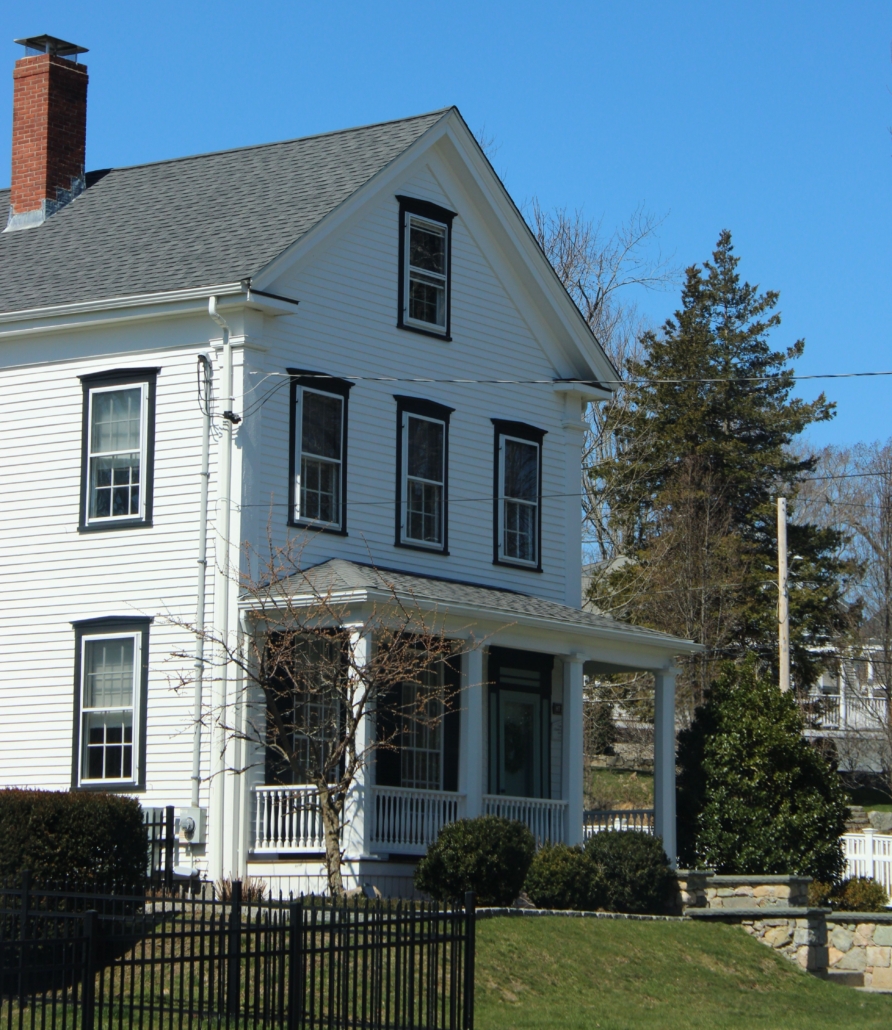
Photo Credit: Luana Scorsoni
Rethinking Housing in the Upper Valley
When we talk about healthcare in the Upper Valley, we usually think of visits to Dartmouth-Hitchcock or local clinics. But for neighbors living with serious mental illness, one of the most effective treatments doesn’t involve a prescription. It’s simply having a place to call home.
A recent needs assessment done by Dartmouth College students, the Public Health Council of the Upper Valley, and Housing First Upper Valley highlights a challenge hitting close to home: our current housing options just aren’t working for everyone.
Why Standard Apartments Don’t Always Work
Traditional affordable housing is crucial, but for someone managing a complex mental health condition, standard setups can pose major hurdles:
- Endless Waiting: Waitlists stretch for years, leaving vulnerable neighbors bouncing between local shelters, emergency rooms, or sleeping outdoors.
- Sensory Overload: Big, crowded apartment complexes can feel noisy and overwhelming, making psychiatric symptoms harder to manage and often leading to lost leases.
A Better Fit: Small-Scale Supportive Housing
The fix isn’t just “more housing,” it’s the right kind of housing. Supportive housing offers independent, affordable leases paired with on-site case managers.
Instead of giant complexes, this model favors smaller, neighborhood-friendly buildings where residents get help with groceries, ride coordination, and appointments. Having a dedicated case manager gives residents a safety net before a small issue becomes a crisis.
Why This Matters for Everyone
Investing in supportive housing isn’t just about compassion, it’s smart for our whole community:
- Lighter ER Traffic: Studies show supportive housing drops emergency room visits by 33% and hospital stays by 23%.
- Relief for First Responders: It helps divert mental health calls away from police and local emergency services, keeping people out of tax-funded jail beds.
- Big Savings: Rural programs like Pathways Vermont keep 85% of people stably housed while saving taxpayers around $40 a day compared to the hidden costs of chronic homelessness.
How We Move Forward Together
Building a healthier Upper Valley across our Vermont and New Hampshire towns means supporting smaller housing builds, helping local landlords jump on board, and expanding our caregiving workforce. When our most vulnerable neighbors have a quiet, stable place to land, our entire community grows stronger.
“My hope is that this assessment becomes the first step toward creating four to six affordable housing units with supportive services, ideally within one or more small housing communities in the Upper Valley for people living with serious mental illness.” – Lynne Goodwin, Human Services Director for the City of Lebanon
To access the full needs assessment, CLICK HERE.
To access and summary and call to action, CLICK HERE.

Leave a Reply
Want to join the discussion?Feel free to contribute!