The Hidden Engine of Public Health
 What I Learned Interning at the Public Health Council

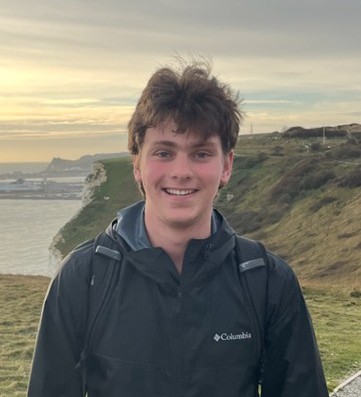
By Thomas Hohmann, Dartmouth College, Class of 2026
As a student curious about medicine, particularly in a rural setting, the Public Health Council of the Upper Valley naturally was an attractive opportunity for a summer internship. Surprisingly, I learned that public health is much more complex than I expected, involving a surprising range of professionals from various disciplines. I had previously associated this field primarily with direct community services yet have found the work behind the scenes is just as important in making the greatest positive impact on the community as a whole. This is not to say that the PHC does not touch the lives of its community members – see our flu clinics, for example – but that its impact is far broader.
Over these past few months, it has become clear that PHC’s essential role in the Upper Valley is as a connector and advisor for other organizations working to tackle a variety of public health disparities in our region. In a privatized health system like the U.S., community-based work often falls to nonprofit organizations, which, though doing amazing work individually, often only focus on specific issues or on specific regions. This large number of dedicated groups with slightly different causes creates a confusing public health system for the average community member trying to get the care they need. The same can be said for social services, perhaps even to a greater extent, especially since socioeconomically disadvantaged individuals often look for more than one type of service from more than one organization, government or otherwise.
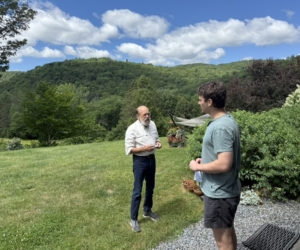
Given these complexities, leaders like the PHC play a crucial role in connecting the different nodes making up the complex web that is the health and human services sector. In my own internship, this made for an unpredictable, dynamic work environment where each day represented something a little bit different. For example, I started out synthesizing data from a variety of online sources for our website but quickly jumped to creating policy briefs for Community Health Improvement Plan Meetings, interviewing Town Health Officers, organizing outreach for flu clinics in the fall, and taking inventory of emergency preparedness kits for the local Medical Reserve Corps. While some might view this range of tasks as random, it accurately reflects the breadth of the PHC’s work and what is needed in public health right now.
The day-to-day life of our Executive Director, Alice Ely, is a testament to this as well. Over the span of a few hours, she might start with a meeting about housing issues then transition to one about BIPOC representation in the Upper Valley and finish discussing PHC’s new strategic plan. While at first the range of conversations I would hear from her office seemed odd, I have come to appreciate how valuable the broad perspective of the PHC is for the organizations we serve. Everyone needs someone to go to when they have a problem, maybe it’s your parents or friends, and for anyone working in health and human services in the Upper Valley, it seems to be the Public Health Council.
Ultimately, this work toward integration across organizations and focus areas is improving and will continue to improve the efficacy of public health initiatives in the Upper Valley. Though more difficult to measure than caring for community members directly, this work is ultimately making a healthier future possible for our community members.


Leave a Reply
Want to join the discussion?Feel free to contribute!